
WATCH: Astronauts return to Earth after first-ever medical evacuation from ISS
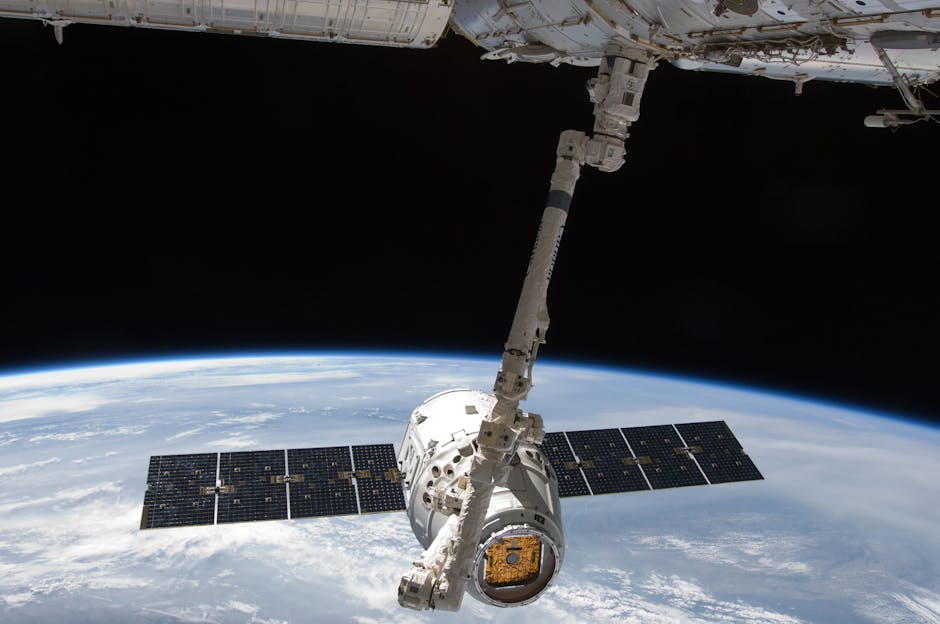
Historic Mission: Astronauts Return to Earth After First-Ever ISS Medical Evacuation
In a landmark moment for human spaceflight, astronauts have successfully returned to Earth following the first-ever medical evacuation from the International Space Station (ISS). This unprecedented mission underscores the critical advancements in **space medicine**, **emergency spaceflight procedures**, and the robust **space technology** that supports continuous human presence beyond our planet.
An Unprecedented Medical Emergency in Orbit
The successful return marks a pivotal achievement, demonstrating the capabilities of international space agencies to respond to unexpected medical situations in the challenging environment of low-Earth orbit. While specific details of the medical condition remain private, the decision to initiate an early return underscores the commitment to astronaut safety and the sophisticated monitoring systems in place aboard the ISS.
This mission required meticulous planning and flawless execution, involving not just the space agencies but also ground control teams working around the clock. The ability to bring an astronaut home safely for medical attention sets a new precedent for **human spaceflight** operations and highlights the evolution of **space exploration** capabilities.
The Synergy of Space Medicine and Technology
The success of this medical evacuation is a testament to decades of investment in both **space medicine** and **advanced space technology**. From state-of-the-art diagnostic tools on the ISS to the sophisticated re-entry vehicles designed for quick deployment, every aspect played a crucial role. Astronauts undergo rigorous medical screening, but the extreme conditions of space can still pose unforeseen health challenges.
- On-orbit Medical Facilities: The ISS is equipped with an impressive array of medical equipment, allowing basic diagnostics and treatments.
- Remote Medical Support: Ground-based medical teams continuously monitor astronaut health, providing real-time advice and support.
- Rapid Return Capabilities: The readiness of spacecraft for emergency return scenarios is paramount, showcasing the engineering prowess behind these missions.
This event proves that the infrastructure and protocols are mature enough to handle complex emergencies, providing reassurance for future long-duration missions to the Moon and Mars.
Implications for Future Human Spaceflight
The successful medical evacuation from the ISS provides invaluable data and lessons learned for the future of **human spaceflight**. As agencies plan for longer missions to distant destinations, the ability to manage medical emergencies effectively becomes even more critical. This mission will undoubtedly lead to refinements in:
- Emergency medical training for astronauts.
- Development of more advanced in-space medical diagnostic and treatment equipment.
- Protocols for early return missions and rapid response.
- International cooperation in managing space-related crises.
This historic return solidifies the commitment to pushing the boundaries of **space exploration** while prioritizing the health and safety of the intrepid individuals who venture into the cosmos. It's a powerful reminder that while the cosmos is vast and challenging, humanity's ingenuity and **technological advancements** are continually evolving to meet its demands.


Comments
Post a Comment
"We value your feedback! Please keep the conversation respectful and relevant."