
The Real AI Talent War Is for Plumbers and Electricians
The Real AI Talent War Is for Plumbers and Electricians
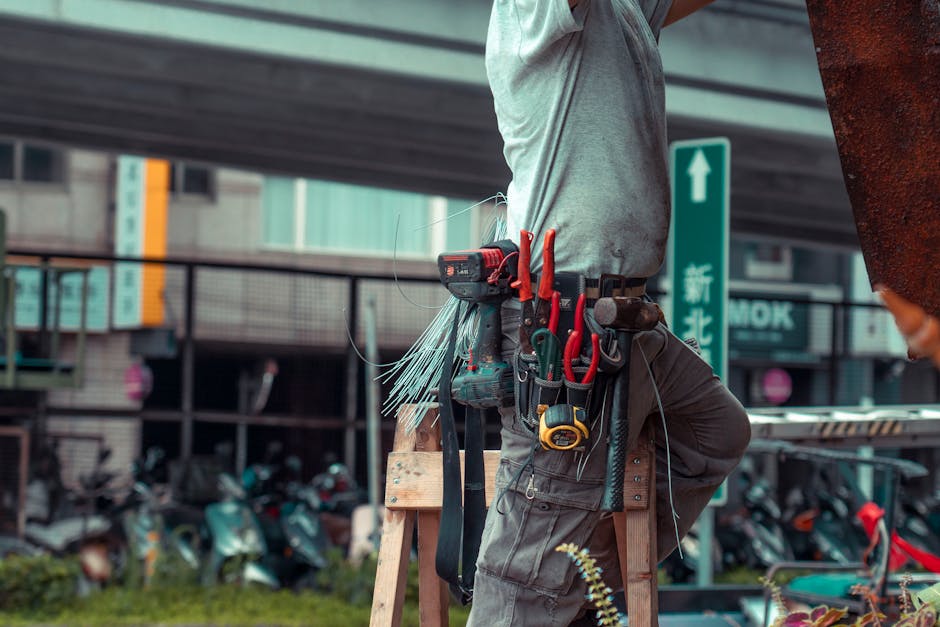
When we talk about the AI talent war, the immediate image that comes to mind is often one of brilliant researchers, pioneering data scientists, and visionary machine learning engineers crafting the next groundbreaking algorithm or model. While these roles remain vital for innovation, the true battleground for AI talent is rapidly shifting to a less glamorous, but infinitely more crucial, domain: the practical implementation and maintenance of AI systems in the real world. We're not just talking about coders; we're talking about the "plumbers and electricians" of AI.
Beyond the Algorithm: The Need for Practical Application
The metaphor of plumbers and electricians for AI highlights a fundamental truth: a revolutionary invention, no matter how brilliant, is useless if it can't be reliably installed, connected to existing infrastructure, and kept running day-to-day. In the world of AI, this translates to a massive demand for professionals who can:
- Deploy AI at Scale: Taking models out of the lab and into production environments where they can deliver real business value.
- Integrate AI with Existing Systems: Seamlessly connecting new AI solutions with legacy IT infrastructure, databases, and operational workflows.
- Maintain and Monitor AI Systems: Ensuring models perform as expected, addressing drift, retraining when necessary, and troubleshooting issues in real-time.
- Build Robust Data Pipelines: Establishing the "pipes" that feed clean, reliable data to AI models, ensuring their accuracy and effectiveness.
- Manage AI Infrastructure: Optimizing computational resources, cloud services, and hardware to support complex AI operations efficiently.
Who Are These AI "Plumbers and Electricians"?
The roles encompassing this vital practical work are diverse and growing in demand:
- MLOps Engineers: These professionals sit at the intersection of machine learning, DevOps, and data engineering. They build and manage the pipelines for deploying, monitoring, and maintaining machine learning models in production. They are the ultimate AI plumbers, ensuring smooth flow from development to operation.
- Data Engineers: The unsung heroes who build and maintain the robust data infrastructure (the "electrical grid" for AI) that collects, stores, processes, and transforms raw data into usable formats for AI models. Without clean, accessible data, no AI can function.
- Prompt Engineers and AI Integrators: As large language models (LLMs) become prevalent, specialists who can effectively communicate with and integrate these complex models into specific applications are crucial. They're the ones wiring AI into user interfaces and business processes.
- Cloud Architects and DevOps Specialists with AI Expertise: These experts design and manage the scalable cloud infrastructure and automated deployment processes essential for hosting and running AI applications efficiently.
- Domain-Specific AI Implementers: Professionals with deep industry knowledge who can tailor and integrate general AI solutions to solve specific problems within healthcare, finance, manufacturing, and other sectors.
The Shifting Landscape of AI Education and Investment
The recognition of this shift has profound implications for education, corporate training, and investment strategies. While advanced degrees in AI research will always be valuable, there's a growing need for practical, hands-on training programs focused on MLOps, data engineering, cloud infrastructure for AI, and ethical AI implementation. Companies are increasingly seeking talent with hybrid skill sets that blend theoretical AI knowledge with strong engineering and operational capabilities.
The future of AI isn't just about creating smarter algorithms; it's about making those algorithms work reliably, efficiently, and ethically in the messy, complex reality of the real world. And for that, we desperately need more AI plumbers and electricians.


Comments
Post a Comment
"We value your feedback! Please keep the conversation respectful and relevant."