Roblox’s AI-Powered Age Verification Is a Complete Mess
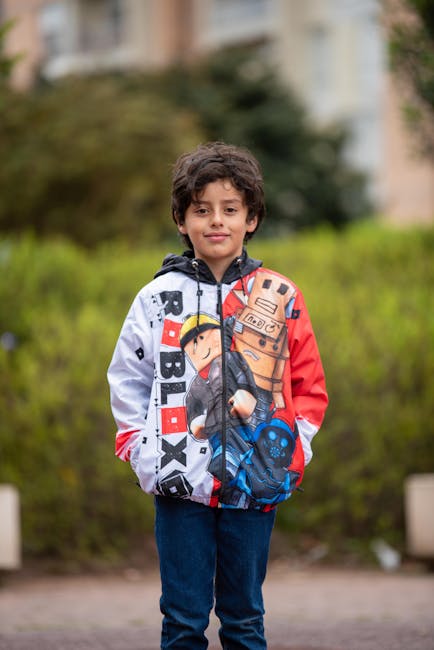
Roblox's AI-Powered Age Verification: A Digital Minefield of Frustration and Privacy Fears
Roblox, the beloved online gaming platform, has ambitious plans to create a safer, age-appropriate environment for its millions of users. Their solution? An AI-powered age verification system designed to confirm users' identities and ages, unlocking new features and ensuring compliance. However, what was intended as a protective measure has quickly devolved into a "complete mess," causing widespread user frustration, raising serious privacy alarms, and exposing the limitations of current AI implementations in sensitive areas like identity verification.
The Promise vs. The Pitfalls: How Roblox's AI Verification Fails
At its core, Roblox's system leverages AI to verify age through two primary methods: scanning a government-issued ID and taking a real-time selfie for biometric comparison. The goal is to match the face on the ID with the live selfie, confirming both identity and age. Sounds robust, right?
The reality, however, has been far from seamless:
- Inaccurate Scans: Users report frequent failures where the AI struggles to read valid ID documents, leading to endless retries and account lockouts. Poor lighting, camera quality, or even minor wear and tear on an ID can trigger a rejection.
- False Negatives: Many legitimate, age-appropriate users are being incorrectly flagged and denied access, creating immense frustration. This often stems from the AI's difficulty in accurately comparing faces across different images or managing subtle variations.
- Technical Glitches: Beyond scanning, the system is plagued with bugs, from verification attempts crashing to long processing times that leave users in limbo.
This AI age verification struggle isn't just an inconvenience; it's a significant barrier preventing users from accessing content, events, and features they should be entitled to.
A Privacy Minefield: Biometric Data and Trust Issues
Perhaps the most contentious aspect of Roblox's system is the collection of highly sensitive personal data. To perform age verification, users must upload images of their government IDs and provide a live selfie, which constitutes biometric data. This raises several critical privacy concerns:
- Data Storage and Security: Where is this sensitive information stored? How long is it retained? What security measures are in place to prevent breaches? While Roblox states data is securely handled by a third-party vendor (Veriff) and deleted after 90 days, the mere act of submitting such personal details to a gaming platform makes many users uneasy.
- Biometric Data Risks: Biometric information, unlike a password, cannot be changed if compromised. A breach of this data could have long-lasting implications for identity theft and security.
- Lack of Transparency: Many users feel there isn't enough clear, easy-to-understand information about how their data is processed, shared, or protected. This erosion of trust is detrimental, especially for a platform catering to a young demographic.
The imperative for online safety is undeniable, especially when children are involved. However, implementing solutions that compromise user privacy or security in their execution creates a new set of problems.
Exclusion and Frustration: Impact on Legitimate Users
Beyond the technical failures and privacy concerns, Roblox's current AI age verification system is creating an exclusionary experience:
- Lack of ID: Many younger teens, while old enough for certain "13+" experiences, may not possess a government-issued ID, effectively locking them out.
- Accessibility: Users in certain regions or with specific types of identification might face disproportionate challenges in getting verified.
- User Experience Damage: The constant cycle of failed verifications, support tickets, and account restrictions severely damages the user experience. It turns a platform meant for fun and creativity into a source of stress and frustration.
The Path Forward: Balancing Safety, Privacy, and Usability
Roblox's vision for a safer, age-gated platform is commendable, but the current AI-powered age verification implementation is clearly not working as intended. To move beyond this "mess," several improvements are needed:
- Improve AI Accuracy: Invest further in refining the AI models to reduce false negatives and improve ID recognition across diverse conditions.
- Enhanced Transparency: Provide crystal-clear, accessible information about data handling, security protocols, and user rights regarding their biometric data.
- Alternative Verification Methods: Explore and offer multiple, less intrusive age verification options where feasible, especially for users without government IDs.
- Robust Customer Support: Streamline and improve the support process for users encountering verification issues, offering human review and faster resolutions.
The Roblox AI age verification debacle serves as a crucial case study in the complexities of deploying artificial intelligence in sensitive, user-facing applications. While AI holds immense potential for online safety and identity verification, its implementation must prioritize accuracy, user experience, and, above all, the privacy and trust of its user base.
]


Comments
Post a Comment
"We value your feedback! Please keep the conversation respectful and relevant."